
Beautiful Plants For Your Interior
Beautiful Plants For Your Interior

African Mango (Irvingia gabonensis), a tropical fruit native to West Africa, is gaining recognition not only for its weight loss properties but also for its cardiovascular benefits.
Its nutrient-rich seeds are packed with soluble fibre, plant-based fats, antioxidants, and essential minerals — all of which work together to support a healthy heart.
In this comprehensive guide, we’ll explore the science behind African Mango’s impact on heart health, review research findings, and share practical ways to include it in your daily routine.
Your heart and blood vessels form the core of your circulatory system. They work continuously to deliver oxygen and nutrients to every part of your body.
Maintaining cardiovascular health is essential for reducing the risk of serious conditions such as heart attack, stroke, and high blood pressure.
Several lifestyle factors influence heart health:
Diet – Balanced nutrition is key to controlling cholesterol, blood pressure, and inflammation.
Physical activity – Regular movement strengthens the heart muscle and improves circulation.
Stress management – Chronic stress can raise blood pressure and heart disease risk.
Healthy weight – Excess body fat strains the heart and blood vessels.
African Mango’s nutrient profile supports many of these areas, making it a valuable addition to a heart-conscious lifestyle.
African Mango seeds provide a unique combination of nutrients and bioactive compounds that promote cardiovascular wellbeing:
Soluble fibre – Helps reduce LDL (“bad”) cholesterol by binding to it in the digestive tract.
Healthy fats – Including plant sterols that can lower cholesterol absorption.
Polyphenols – Antioxidants that fight oxidative stress, protecting blood vessel walls.
Magnesium – Supports normal heart rhythm and muscle function.
Potassium – Helps maintain healthy blood pressure by balancing sodium levels.

High LDL cholesterol is a major risk factor for heart disease. African Mango’s soluble fibre binds with cholesterol in the gut, reducing its absorption into the bloodstream.
Some studies show significant improvements in total cholesterol, LDL, and triglycerides after just a few weeks of supplementation.
Potassium in African Mango helps relax blood vessel walls and counteracts the effects of excess sodium — a common contributor to high blood pressure.
The antioxidant properties of polyphenols also help maintain flexible, healthy arteries.
Chronic inflammation can damage blood vessels and promote plaque build-up. Antioxidants in African Mango help neutralise free radicals and reduce inflammatory markers.
By supporting healthy weight and blood sugar control, African Mango indirectly benefits the heart. Excess weight and unstable blood sugar are linked to higher risks of cardiovascular disease.
Several clinical trials have examined African Mango extract for metabolic and cardiovascular benefits:
Lipid profile improvements – Trials report lower total cholesterol, LDL, and triglycerides after 8–12 weeks.
Blood sugar regulation – Better glucose control reduces strain on blood vessels.
Waist circumference reduction – Linked to lower visceral fat, which is a key factor in heart disease risk.
While more large-scale studies are needed, current research is promising and supports its role as part of a heart-healthy diet.
Supplement form – Common dosage is 150–300 mg of standardised extract, taken twice daily before meals.
Powder form – Can be added to smoothies, yoghurt, or oatmeal.
Consistency – Benefits are best seen with daily use over several weeks or months.
Tip: Pair African Mango with other heart-healthy foods such as oats, berries, leafy greens, and fatty fish for maximum benefit.

African Mango is generally safe for most adults. However:
If you take medication for blood pressure or cholesterol, consult your doctor first.
Avoid use during pregnancy or breastfeeding unless approved by a healthcare provider.
Start with a lower dose to check tolerance.
African Mango works best when combined with heart-friendly habits:
Eat more plant-based meals rich in fibre and healthy fats.
Exercise regularly – at least 150 minutes of moderate activity weekly.
Limit processed foods high in trans fats, sugar, and sodium.
Quit smoking to protect arteries and lung function.
Manage stress through breathing exercises, meditation, or outdoor walks.
Myth 1: African Mango can replace medication
Fact: It’s a supplement, not a substitute for prescribed treatments.
Myth 2: You’ll see instant results
Fact: Improvements take time and require consistent use.
Myth 3: All African Mango products are equal
Fact: Quality varies. Look for GMP-certified, third-party tested supplements.
Q: Can I take African Mango with my heart medication?
A: Usually yes, but always check with your doctor to avoid interactions.
Q: How long before I see changes in cholesterol?
A: Some notice improvements in 8–12 weeks, especially with diet and exercise changes.
Q: Can I get the same benefits from eating the fruit?
A: Fresh fruit offers nutrients, but the seed extract used in studies is more concentrated.
African Mango offers more than weight loss benefits — its nutrient profile supports cholesterol management, blood pressure regulation, and reduced inflammation.
When combined with healthy lifestyle habits, it can be a valuable tool in protecting and improving cardiovascular health.
Choose a reputable product, use it consistently, and pair it with balanced eating and regular exercise for the best results.
African Mango (Irvingia gabonensis) is a tropical fruit native to West Africa that’s attracting worldwide attention for its weight loss potential.
Used traditionally for centuries, its seeds are now being studied for their ability to support metabolism, appetite control, and overall wellbeing.
If you’re looking for a natural, science-backed way to help manage weight, African Mango could be a valuable addition to your daily routine.
In this guide, we’ll explore exactly how it works, the research behind it, and the best ways to use it effectively.
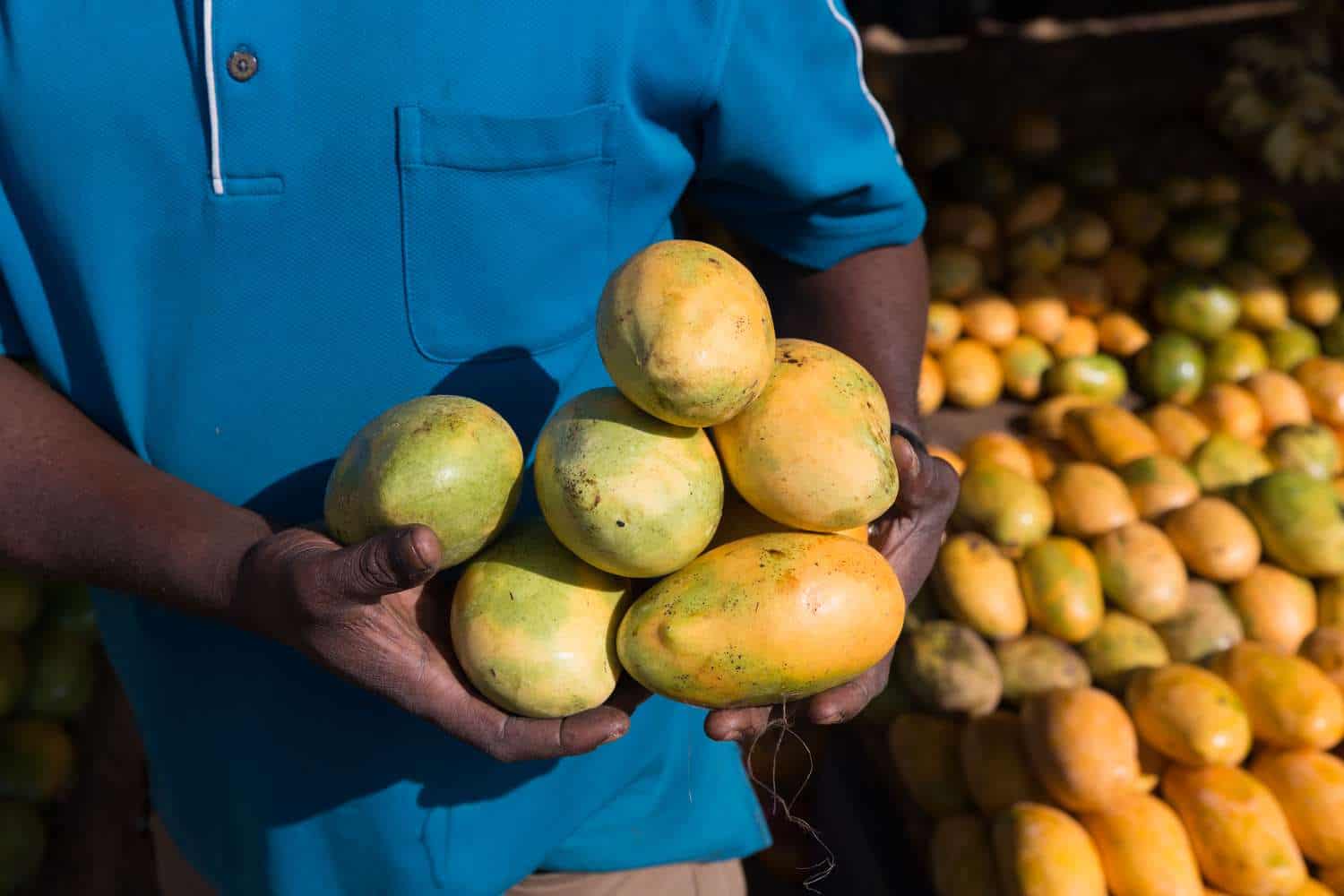
The African Mango tree grows in the humid forests of Cameroon, Nigeria, and surrounding regions.
While the sweet flesh is eaten fresh, the real health benefits come from the seed — known as dikanut — which is dried and ground into a powder or extracted into supplements.
The seeds are packed with:
The effectiveness of African Mango comes down to its ability to target multiple factors that influence body weight:
African Mango seeds contain a high amount of soluble fibre, which forms a gel-like substance in the stomach.
This slows digestion, helping you stay satisfied between meals and reducing the urge to snack.
Bioactive compounds in the seeds can increase the breakdown of stored fat.
Some studies suggest they may enhance thermogenesis — the body’s ability to burn calories for heat.
By slowing the absorption of sugar into the bloodstream, African Mango can help stabilise energy levels and reduce sugar cravings.
Research shows potential for lowering LDL (bad cholesterol) and triglycerides while increasing HDL (good cholesterol), which supports long-term metabolic health.
Several clinical trials have examined African Mango extract (usually 150–300 mg taken twice daily) in overweight participants.

Results from these studies show:
While promising, it’s important to note that results are most significant when combined with a healthy diet and regular exercise.
Supplements alone are not a magic fix, but they can accelerate progress.
For optimal benefits:
Pro Tip: Keep a food and activity journal while using African Mango to better track results and stay accountable.
African Mango is generally well tolerated, but some users may experience mild side effects such as:
These usually resolve as the body adjusts.
If you have medical conditions or take prescription medication, consult a healthcare provider before starting.
African Mango may be suitable for:
It’s not recommended for:
Not all supplements are created equal.
To ensure you’re getting a quality product, look for:
Example checklist before buying:
While African Mango can help accelerate weight loss, lasting results come from overall lifestyle choices.
Consider pairing your supplement routine with:
Myth 1: It melts fat instantly
Fact: African Mango works gradually, especially when combined with good nutrition and activity.
Myth 2: All African Mango supplements are the same
Fact: Product quality varies greatly — some contain minimal active ingredients.
Myth 3: You don’t need to change your diet
Fact: For best results, healthy eating remains essential.
Q: Can I take African Mango with other supplements?
A: In most cases yes, but check for interactions if you’re on medication.
Q: How soon will I see results?
A: Some notice appetite control within days, but measurable weight changes usually take 4–8 weeks.
Q: Is it safe for long-term use?
A: There’s no evidence of harm with long-term use, but regular check-ins with your doctor are recommended.
African Mango is not a miracle cure, but it’s a well-researched, natural option for those seeking weight loss support.
Its ability to help regulate appetite, improve metabolism, and support heart health makes it a versatile supplement when used as part of a healthy lifestyle.
By choosing a high-quality product and staying consistent with healthy habits, you can maximise the benefits and move closer to your weight management goals.